What is a regularity rally? Precision, not speed
It is not a race for speed: the crew that completes the route most precisely, holding set speeds and times with tables and stopwatches, wins.
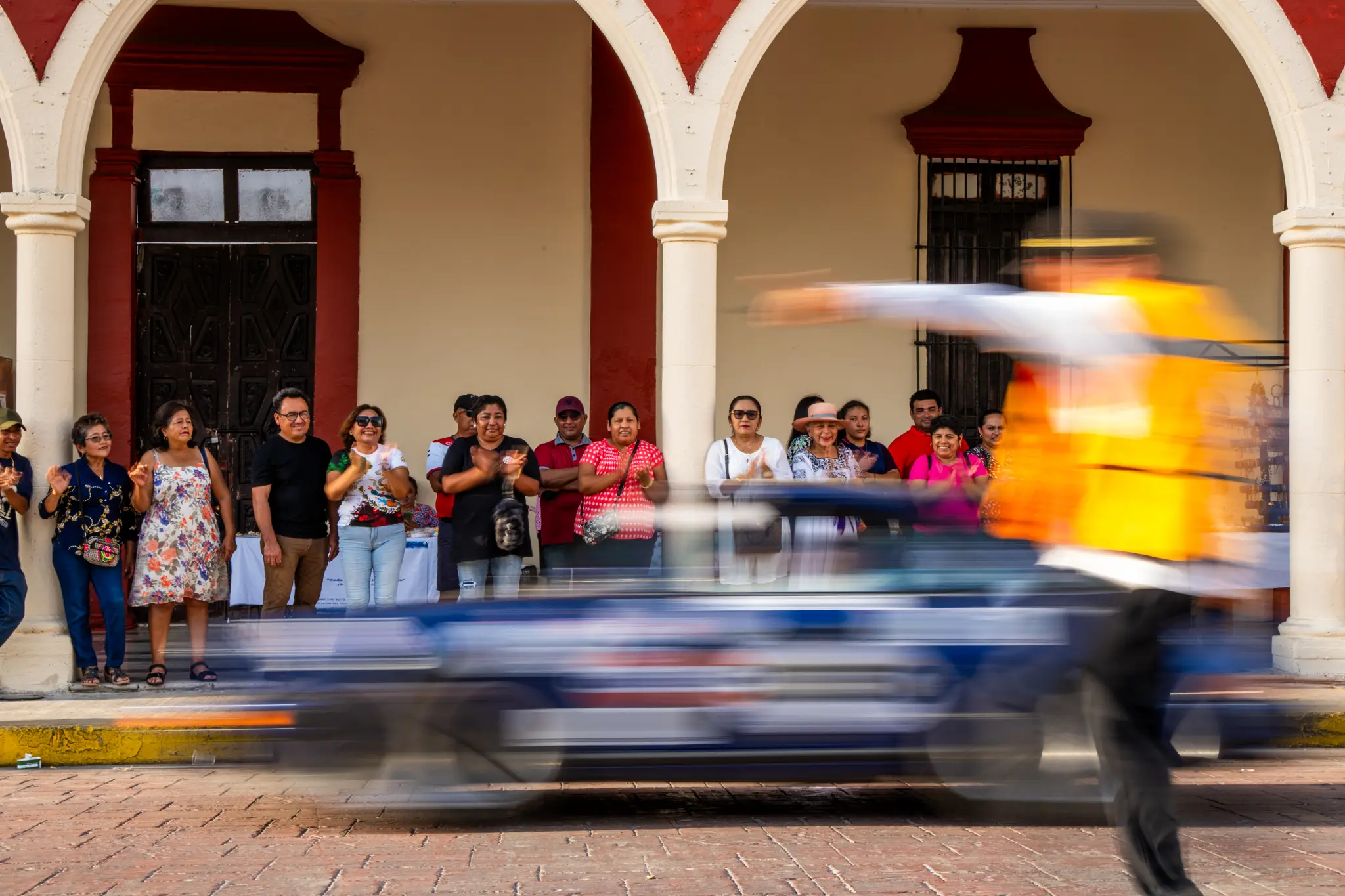
The fastest does not win. The most precise does.
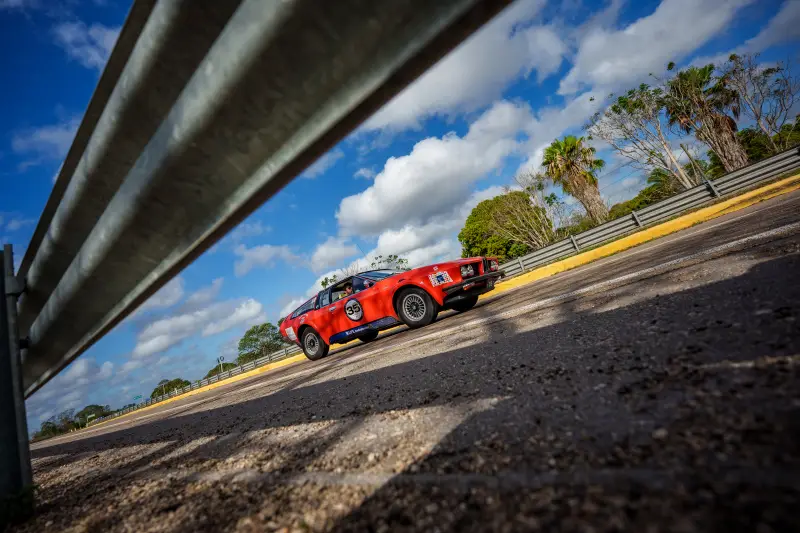
In a regularity rally, cars do not compete for top speed but to keep precise times and averages on open roads. It allows controlled speeds, designed to preserve and protect collector cars of these eras while guaranteeing crew safety and the sporting value of the discipline.
How it works
-
The road book
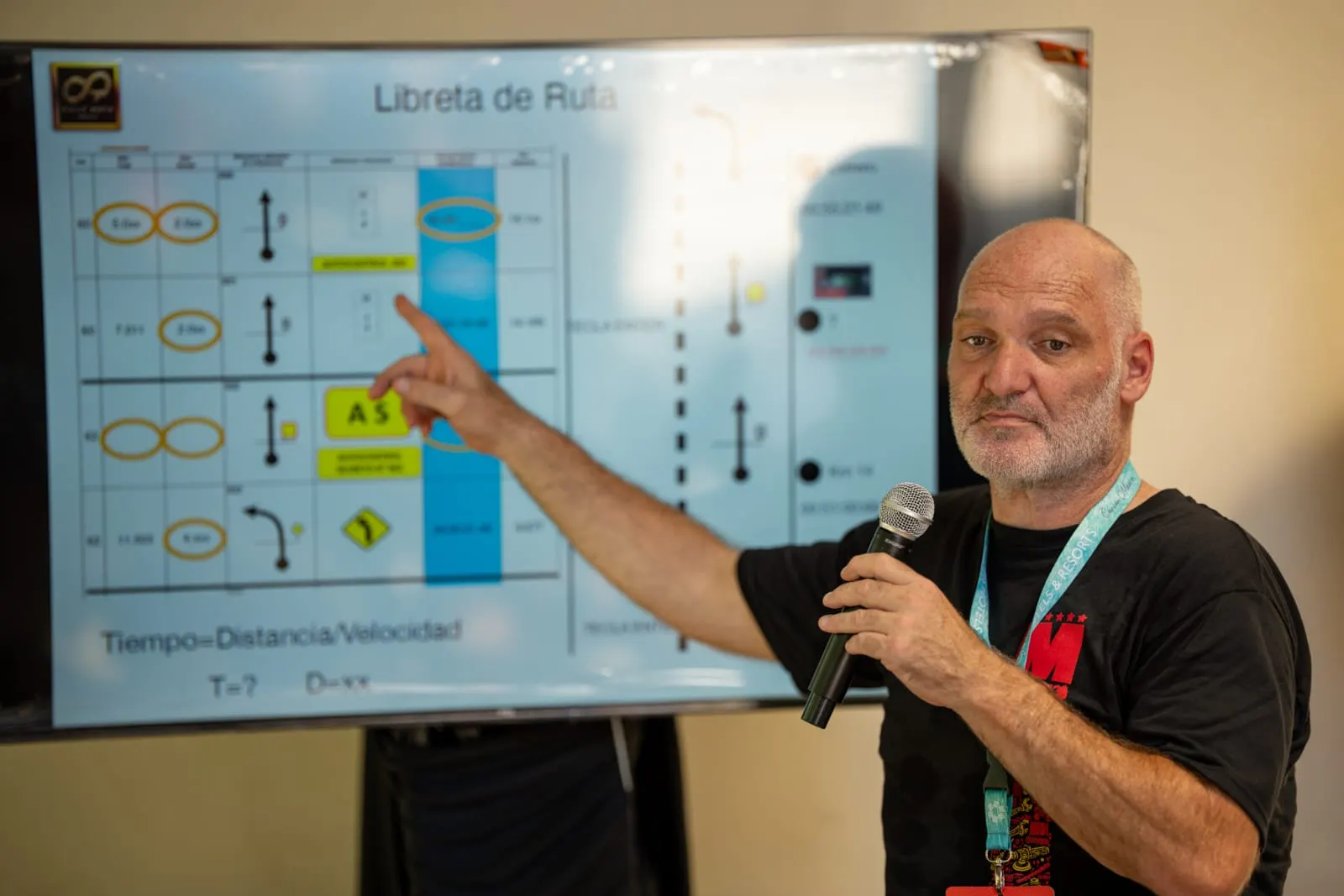
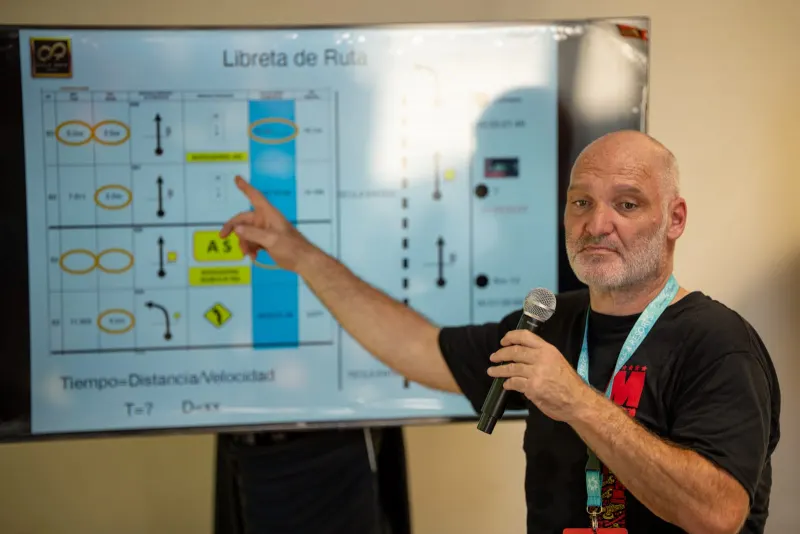
Before each stage, every crew receives its road book: the course leg by leg, with distances, landmarks along the way and the average speed to hold on each one. Precision, consistency and an exact reading of the road book are decisive.
-
Average speeds
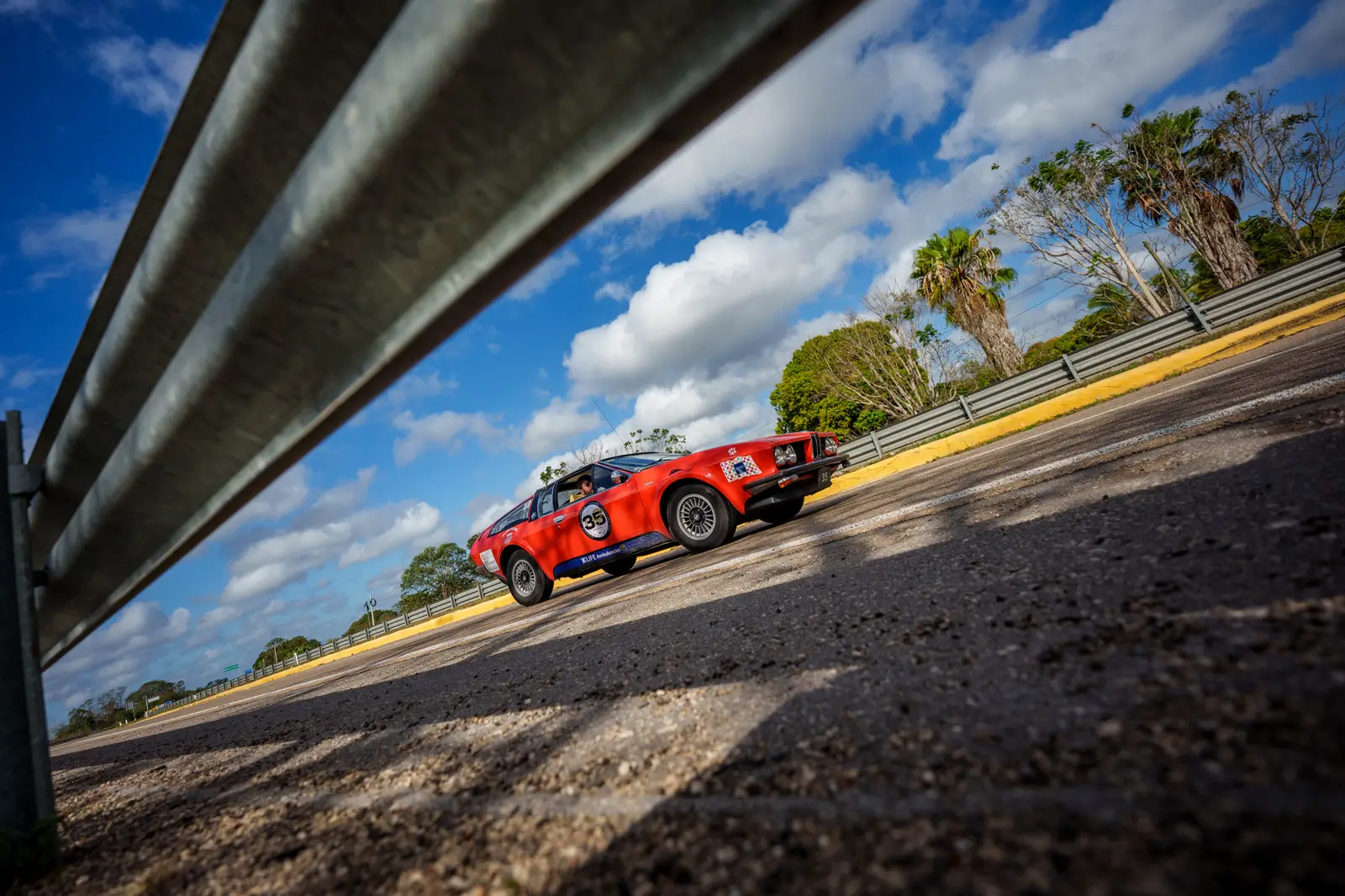
Each leg has a set average speed, and with it an ideal time: the exact minute and second to arrive. It has to be held on open roads, with traffic, speed bumps, overtaking and the unpredictable rhythm of Mexican roads.
-
Checkpoints
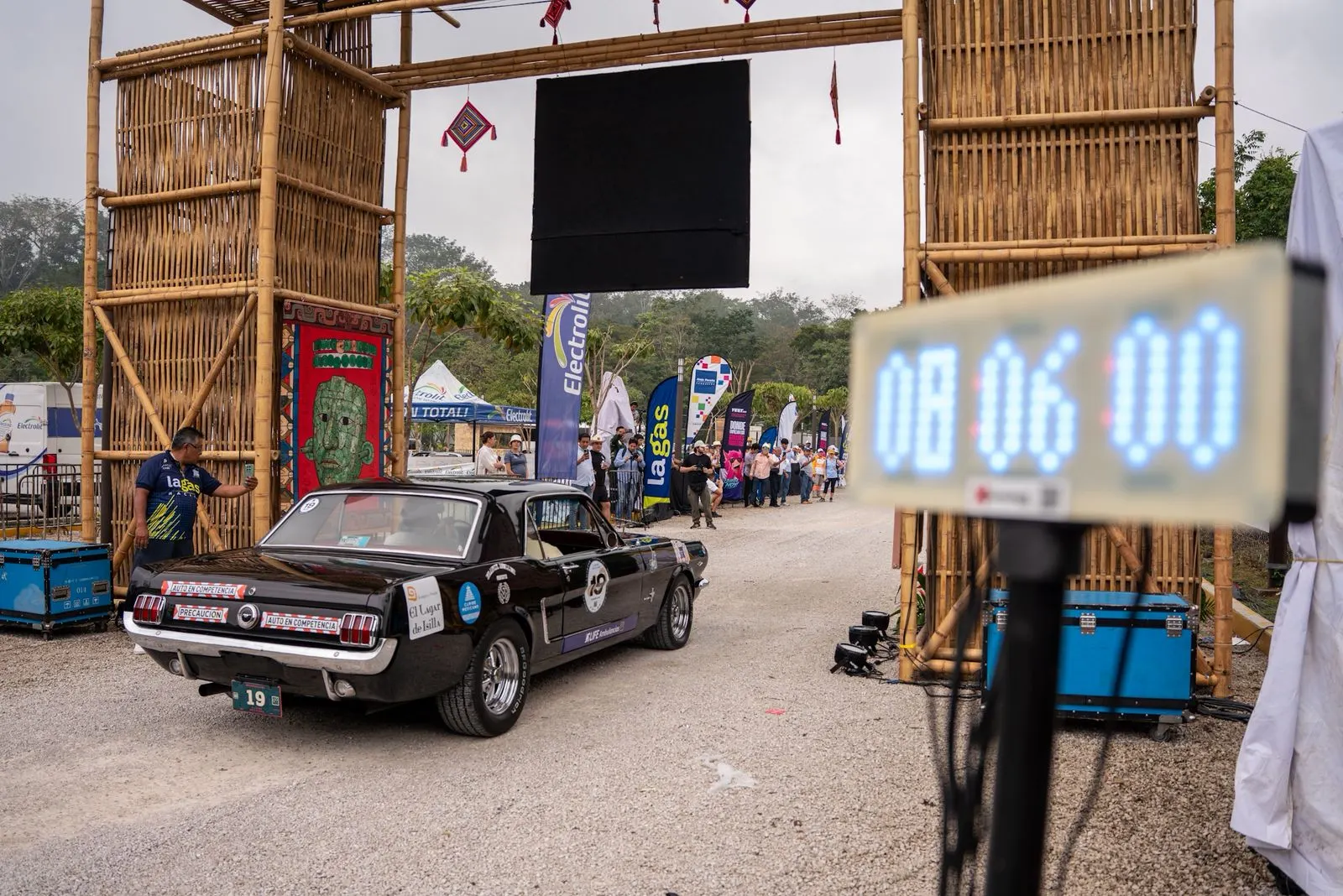
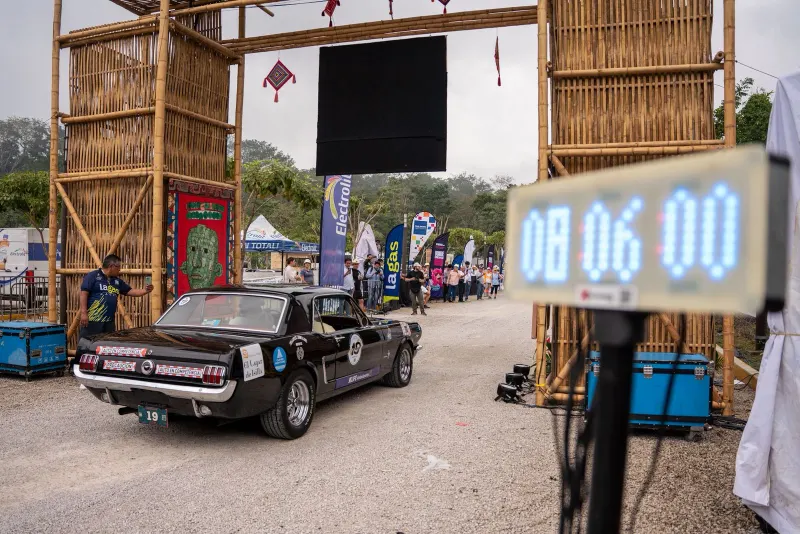
Each car’s start is timed to the second, and during the stage its passing time is recorded at checkpoints. That is why you have to be on time along the whole leg, not just at the end.
-
Penalties
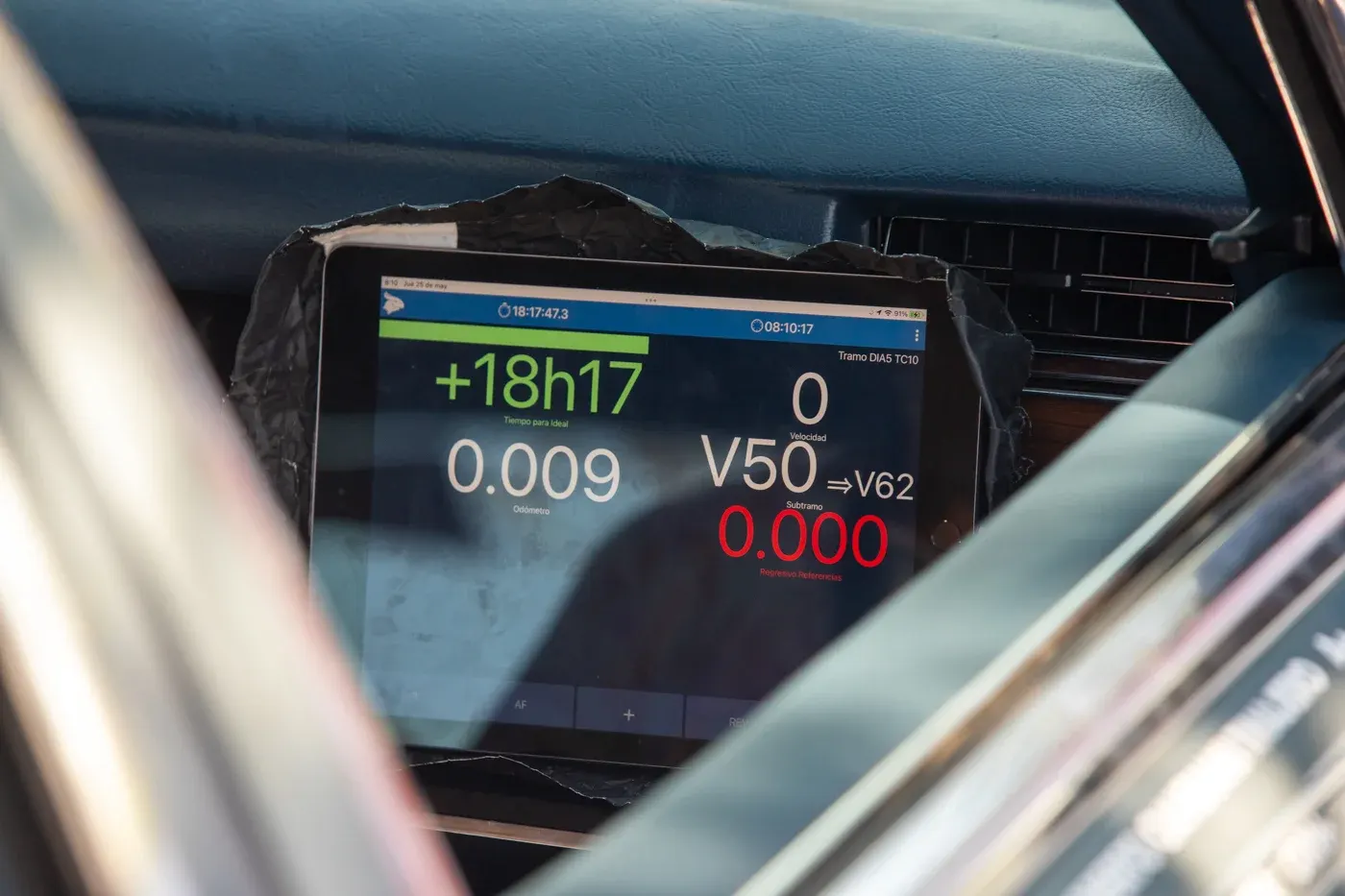
Every second off the ideal time becomes a penalty, and the crew with the fewest penalties takes the win. On one RMM 12 stage, the best Category D crew added up just 36.16 seconds.
A simple example 12 km at 48 km/h
The road book sets a 12 km leg at an average speed of 48 km/h: it must be covered in exactly 15 minutes.
- Start09:00:00km 0
- Ideal arrival09:15:00km 12, at 48 km/h
- Actual arrival09:15:044 seconds late
Result: a 4 second penalty. Arriving at 09:14:56 would also cost four: being early is no better.

Driver and co-driver
At Rally Maya México, competing is not about beating the others: it is about syncing mind and machine. Coordination between driver and co-driver is decisive.
Driver
Drives and holds the pace, speeding up or easing off as the co-driver calls it, without losing sight of the road.
Co-driver
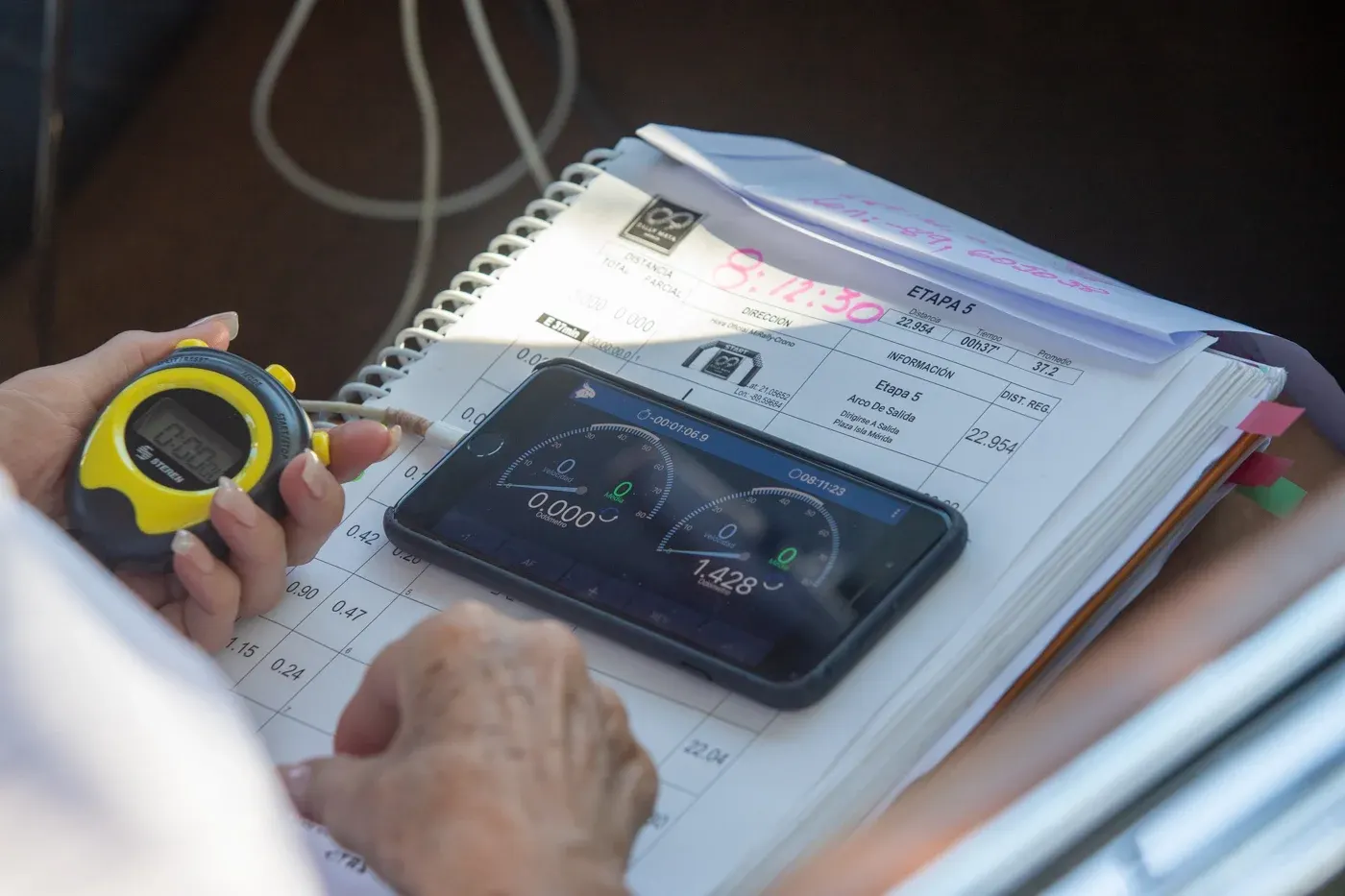
Navigates: reads the road book, keeps the times on the stopwatch and calls out whether they are ahead or behind.
The tools
No Nomex suits or sophisticated equipment required: a stopwatch, a pen and sunscreen are your best tools.
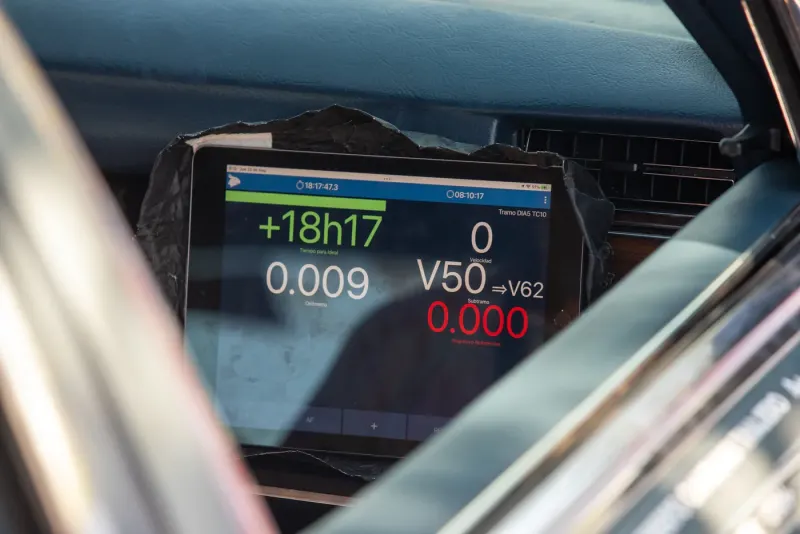
Tables turn distance into time: they tell you the second at which to pass each point of the leg. Some crews add precision odometers or rally computers, but the essentials fit in one hand.
See the rulesFrequently asked questions Regularity
Can’t find your answer? Write to us
Does the fastest car win?
No. It is a test of regularity, not a race for speed: the goal is to complete the course as precisely as possible, and the crew with the fewest penalty points takes the win.
Do I need previous experience or special instruments?
Not at all. All you need is a teammate eager to learn and enjoy one of the noblest forms of motorsport. No Nomex suits or sophisticated equipment required: a stopwatch, a pen and sunscreen are your best tools.
Is it run on closed roads?
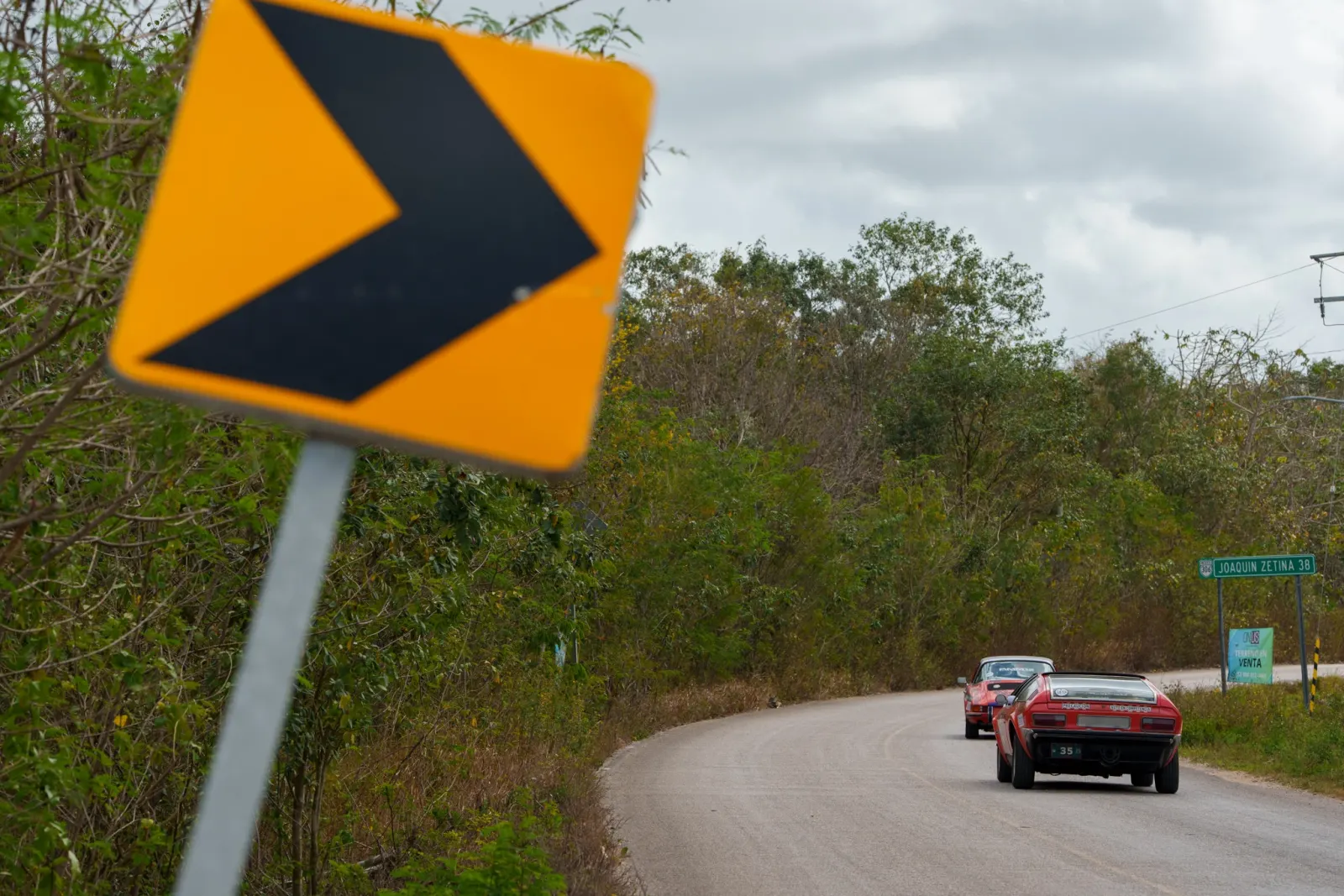
No. RMM is a regularity competition on open roads, with traffic, speed bumps, overtaking and the unpredictable rhythm of Mexican roads. With more than 1,100 km per edition on average, it demands focus, coordination and technique from driver and co-driver alike.
Which car can I enter?
An original car built before 1985 that retains at least 90% of its originality. Participation is by invitation only, and every car is reviewed by the RMM Evaluation Committee.
Ready for the start line?
A stopwatch, a teammate and a classic car: the RMM 13 route does the rest.